The Saxon Fortresses & Mythic Spires
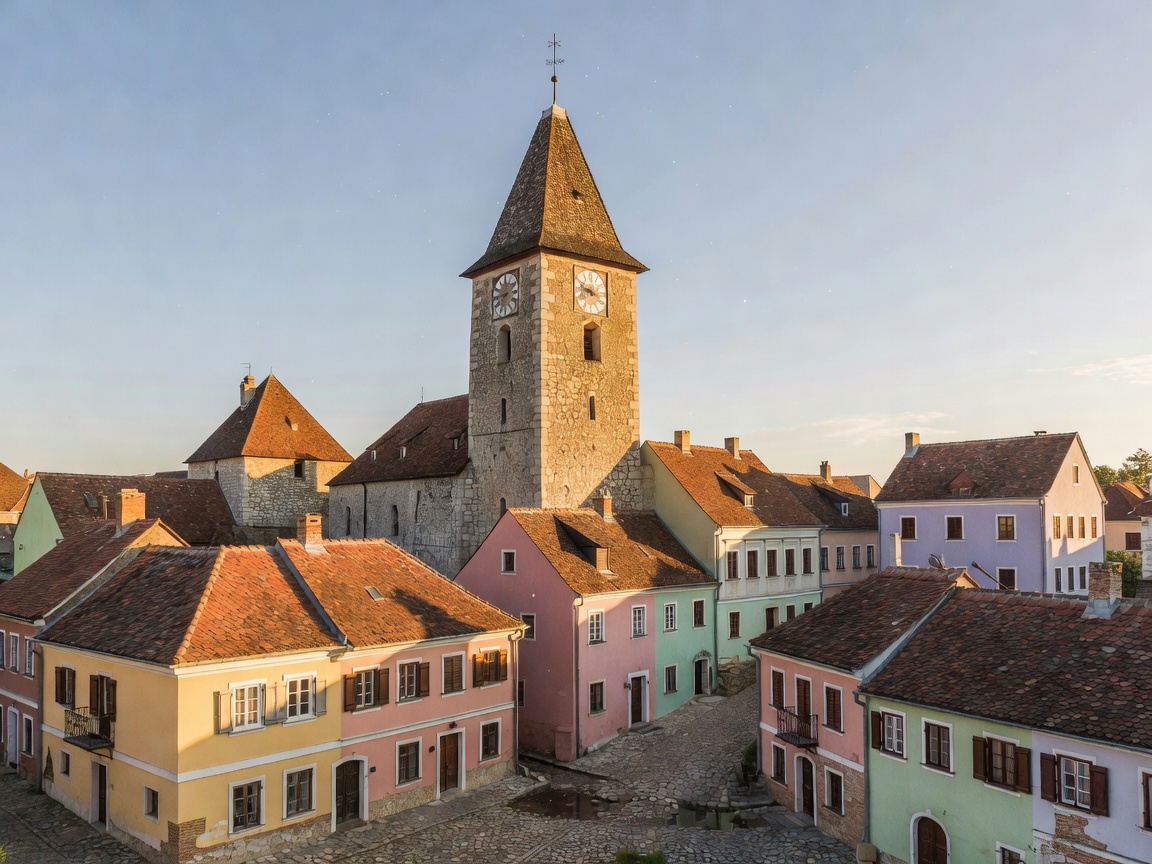
Traverse the 13th-century German merchant towns of Sibiu, the intact medieval citadel clock-tower of Sighișoara, and the dramatic precipices of the Bran gorge.
From the mist-draped battlements of Transylvania and the soaring heights of the Carpathian spine to the painted sanctuary cloisters of Bucovina, discover a land where ancient folklore and modern editorial refinement converge.
Romania defies ordinary categorization. Beyond Western myths of gothic gloom lies an intricate tapestry of Latin roots, Byzantine gold, Saxon stonecraft, and Austro-Hungarian grandeur. Here, brown bears still roam old-growth beech woods that carpet Europe’s wildest mountain perimeter, while village elders in Maramureș carve celestial solar rosettes into monumental oak gates.
Whether traversing the dizzying hairpin passes engineered across glacial granite or admiring the sky-blue lapis frescoes of 15th-century Moldavian monasteries, travel here is visceral, dignified, and unapologetically authentic.
Every landscape is framed as a cultural canvas. Explore deep architectural chronicles, driving routes, and ancestral folklore.
Traverse the 13th-century German merchant towns of Sibiu, the intact medieval citadel clock-tower of Sighișoara, and the dramatic precipices of the Bran gorge.
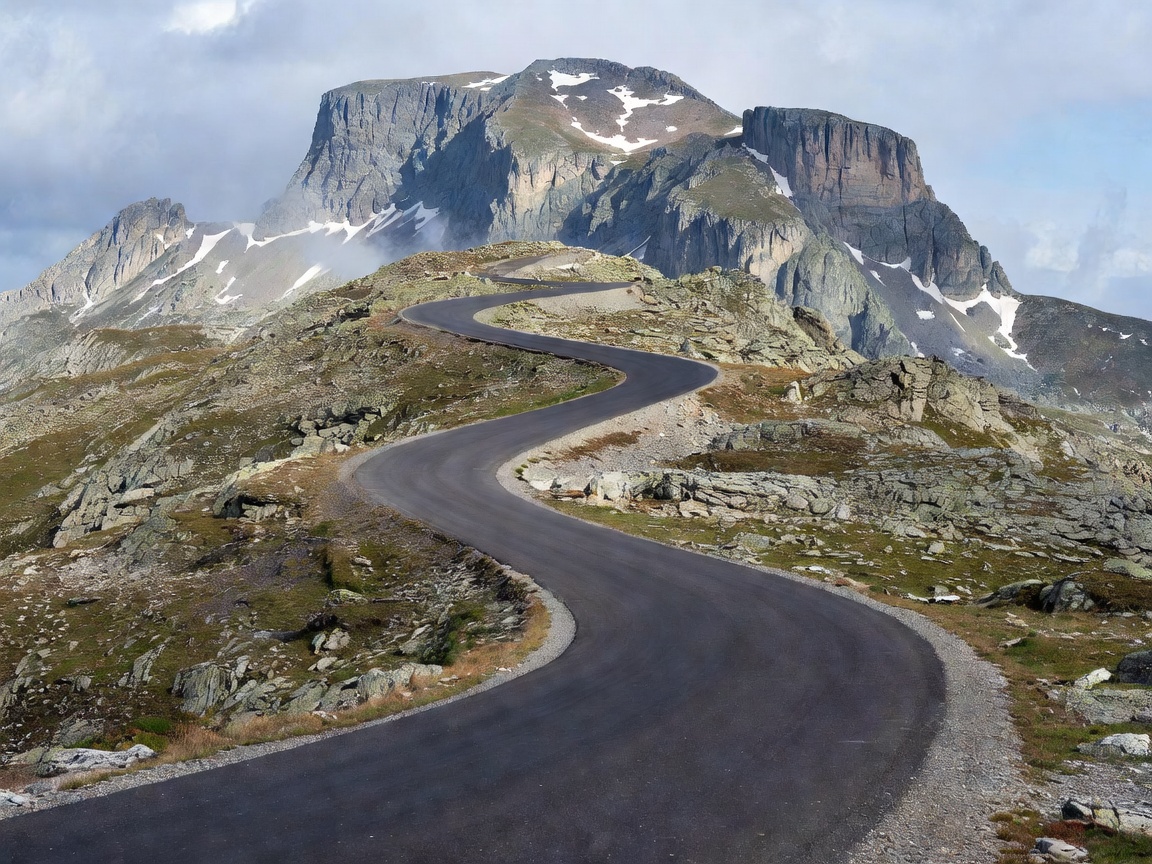
Carved straight through glacial cliffs and jagged granite ridges, these legendary military-engineered asphalt arteries deliver sheer cinematic elevation changes.
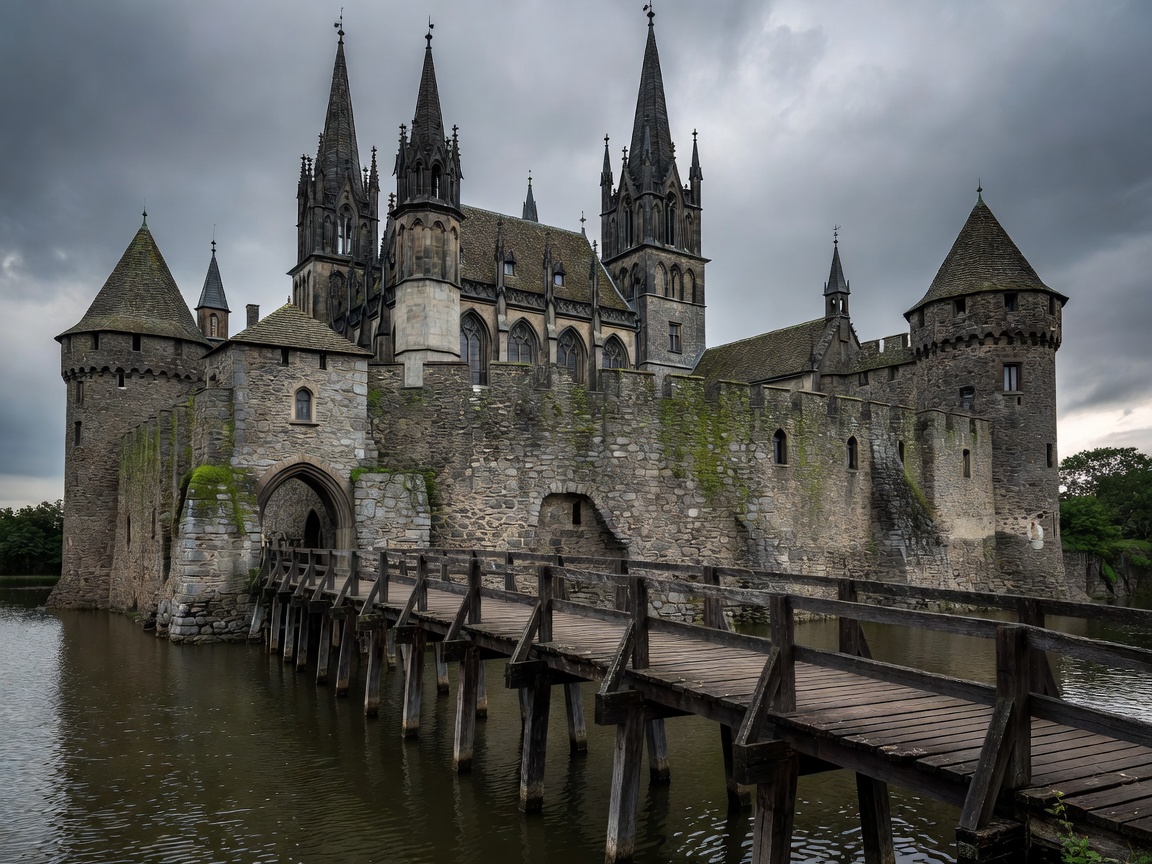
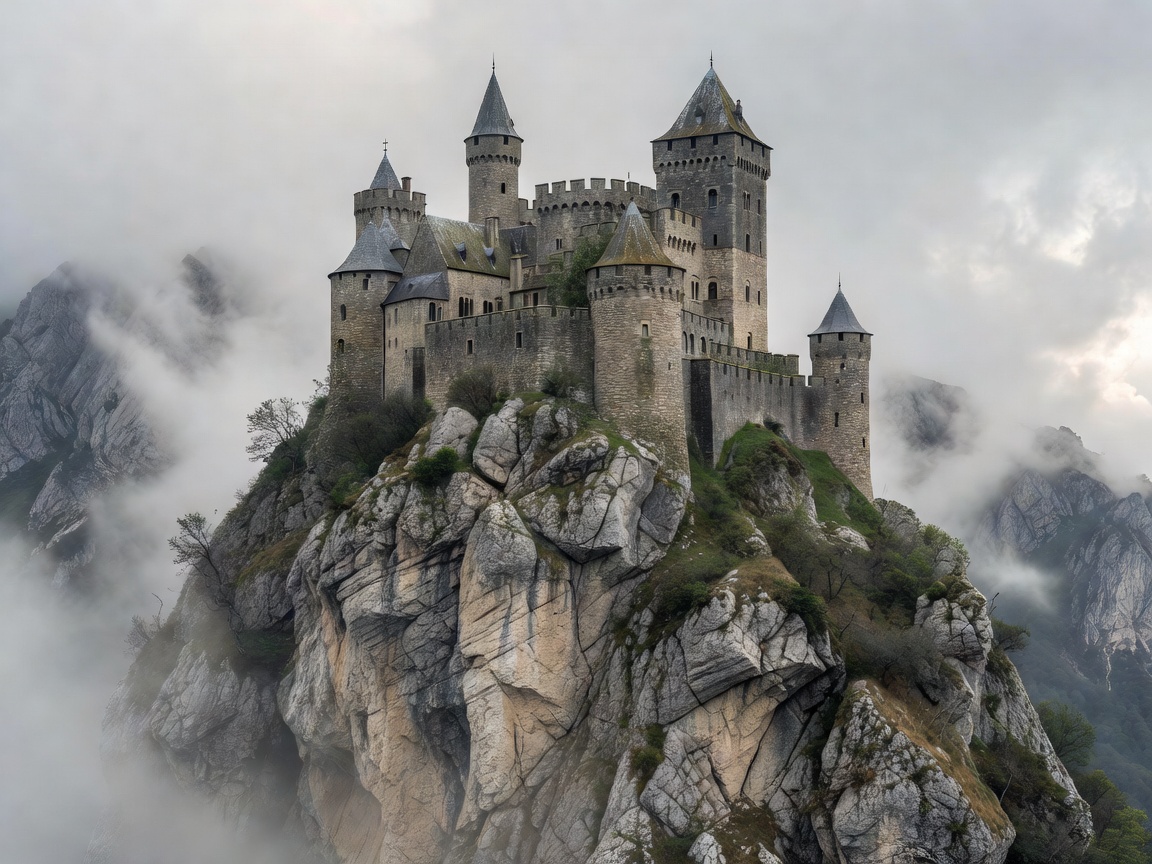
Step into Hunyadi’s drawbridge-defended Gothic citadel at Hunedoara and Carol I's alpine fairy-tale Peleș Castle, rich with carved walnut and Murano crystal.
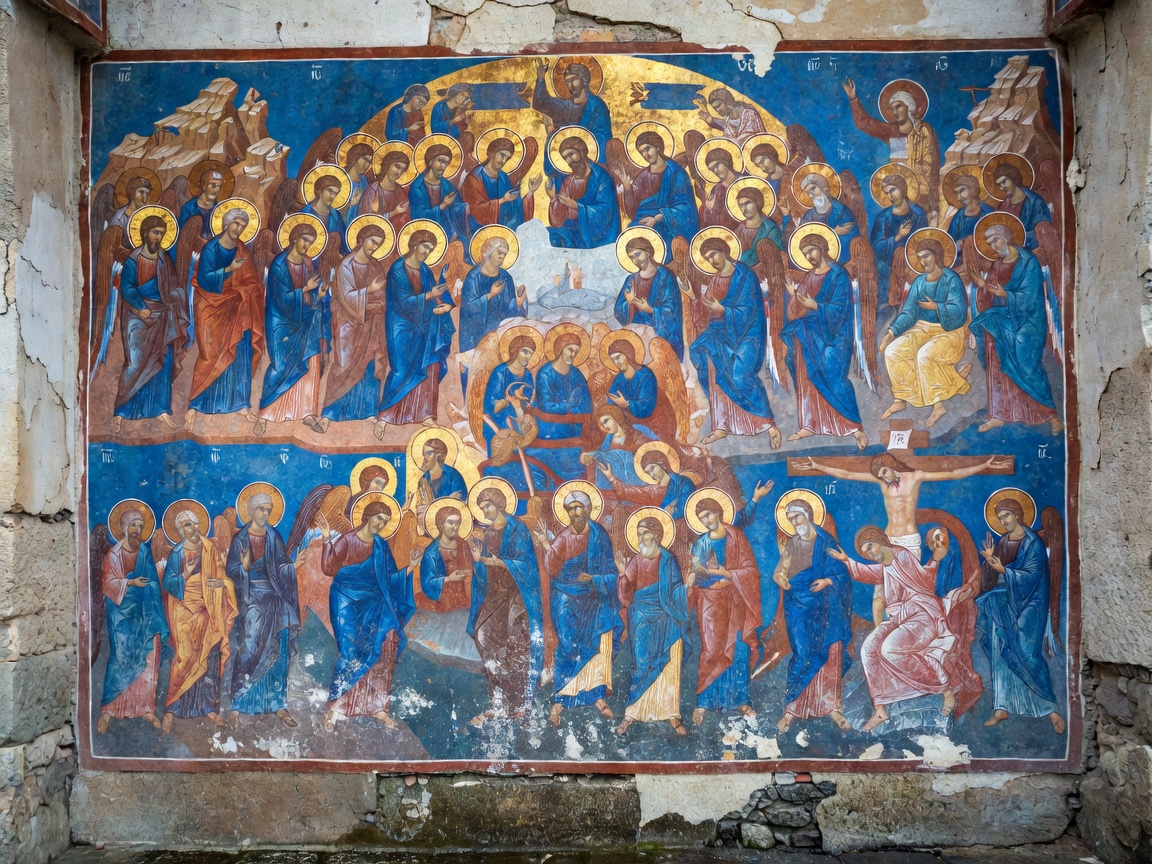
Adorned with vivid outdoor frescoes that have endured five centuries of torrential rain and snow, these fortified sanctuaries represent Byzantine masterstrokes.
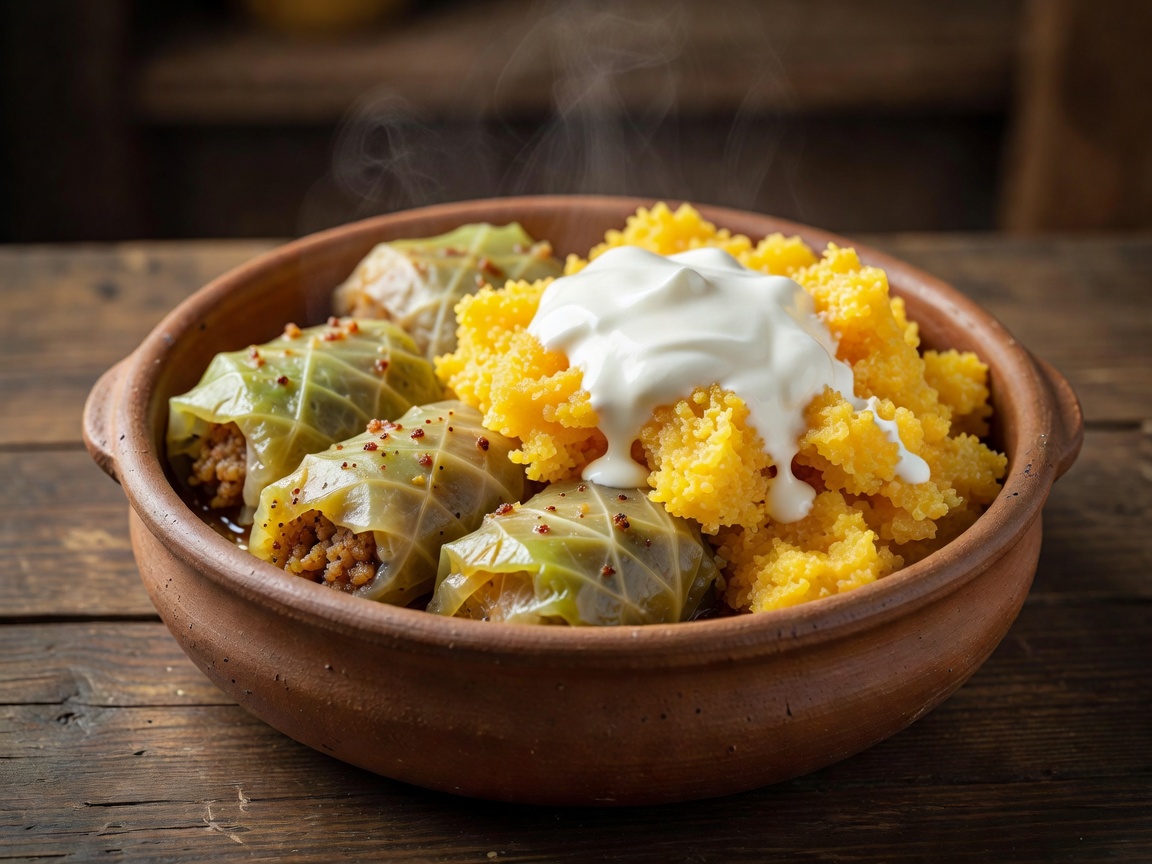
Savor wild forest mushrooms, cabbage-leaf sarmale gently simmered in earthen crocks, smoked Telemea cheese, and deep, blackberry-scented indigenous wines.
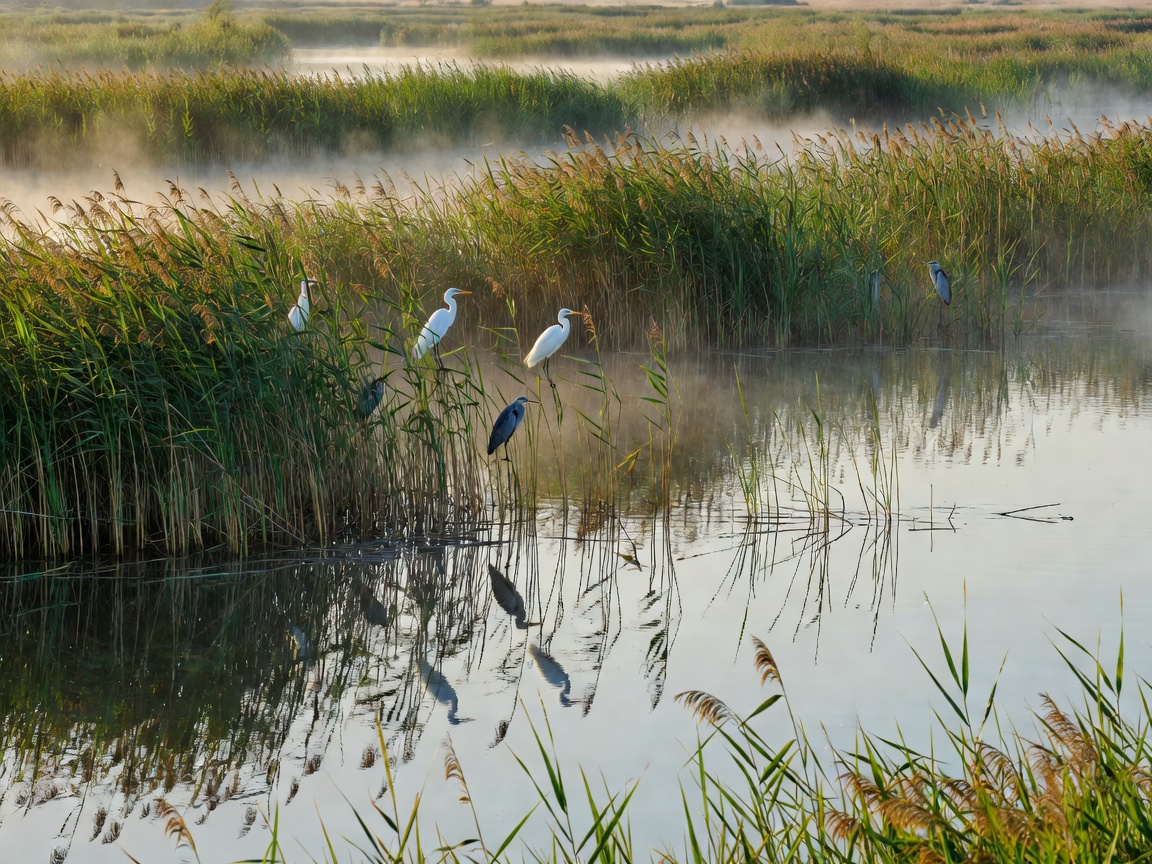
Where Europe’s second-longest river dissolves into the Black Sea, discover an amphibious labyrinth sheltering the continent’s largest pelican colonies and Lipovan fishing hamlets.
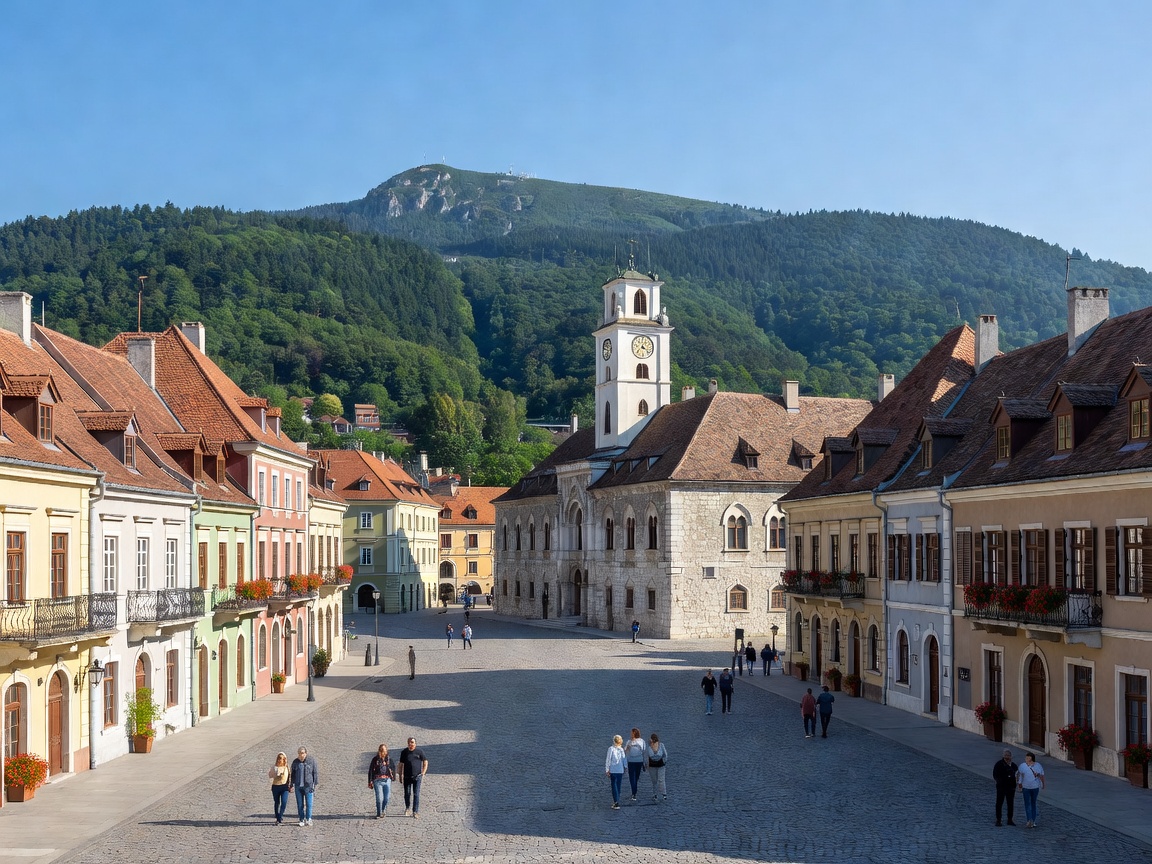
Flanked by the forested cliffs of Mount Tâmpa, Brașov boasts the soot-blackened spires of the 14th-century Black Church (Biserica Neagră) and Council Square cobblestones.
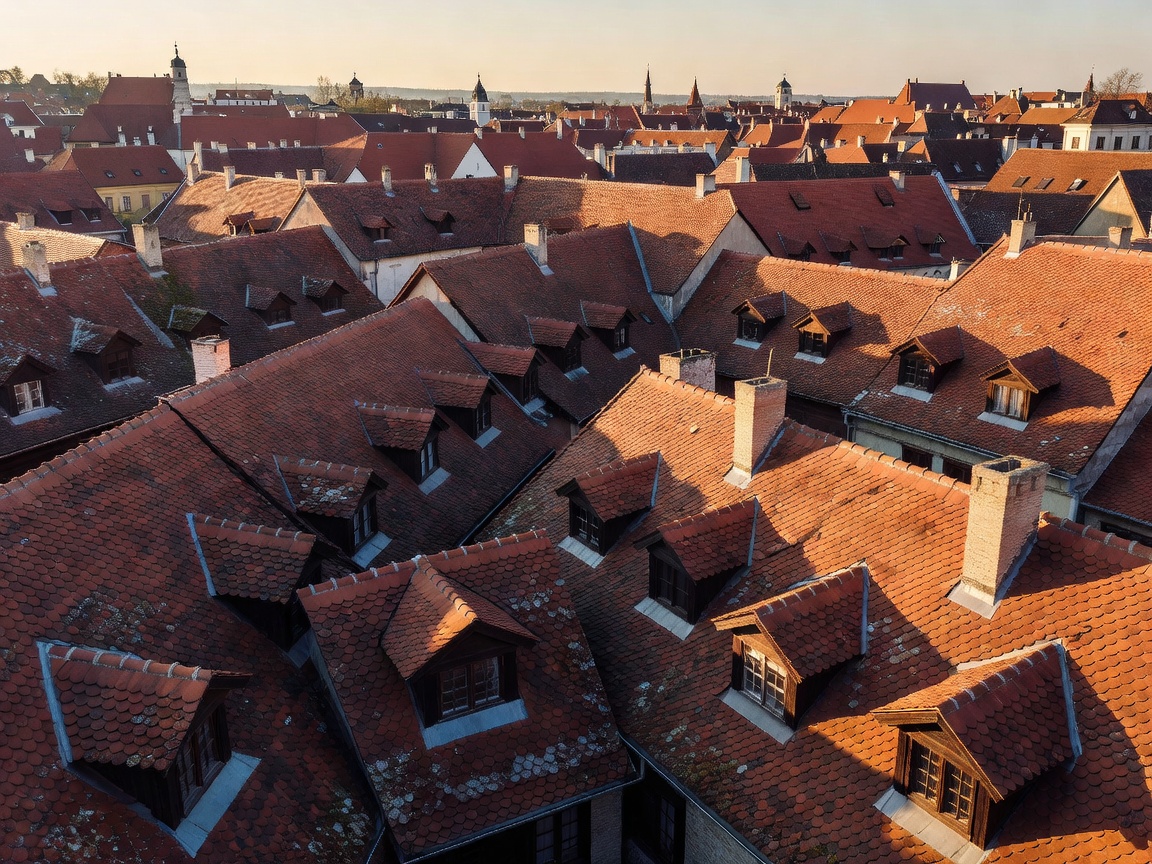
Named European Capital of Culture, Sibiu is famous for the watchful dormer attic windows ("the eyes of Sibiu"), the wrought-iron Bridge of Lies, and Brukenthal Palace art.
One of the very few continually inhabited medieval citadels on Earth. Ascend the covered wooden scholars’ stairs and explore the birthplace of Vlad Dracula.
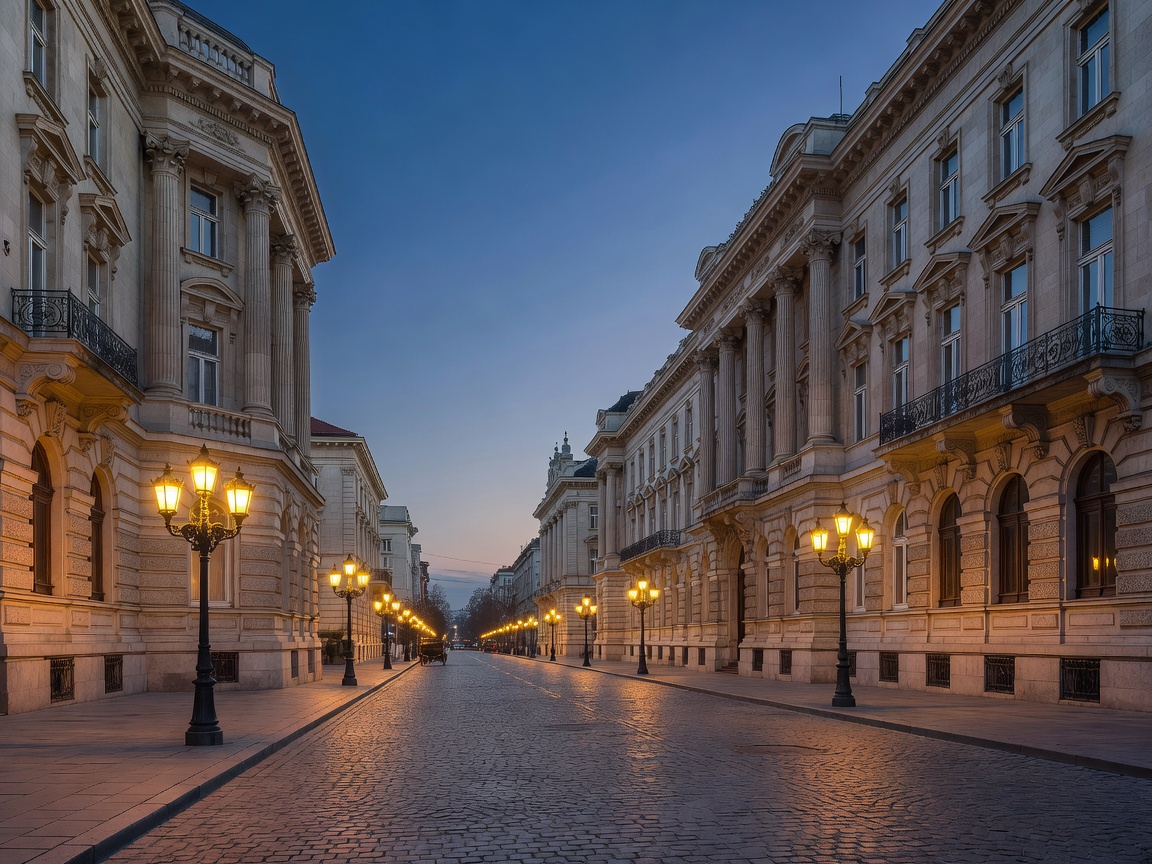
Romania’s dynamic capital bridges belle époque villas and grand boulevards with monumental brutalist architecture like the colossal Palace of the Parliament.
“In the Carpathian fold, twilight does not signal darkness—it awakens the memory of stone, the hum of the forest spirits, and the warm hearth of hospitality.”
— Mircea Eliade, Romanian Historian of Religion & Mythologist