◆ Monumental Keeps ◆

Castles, Keeps & Royal Palaces

From Teutonic customs posts controlling Carpathian passes to lavish Neo-Renaissance Hohenzollern summer estates, examine the stone architecture that shaped Eastern European sovereignty.

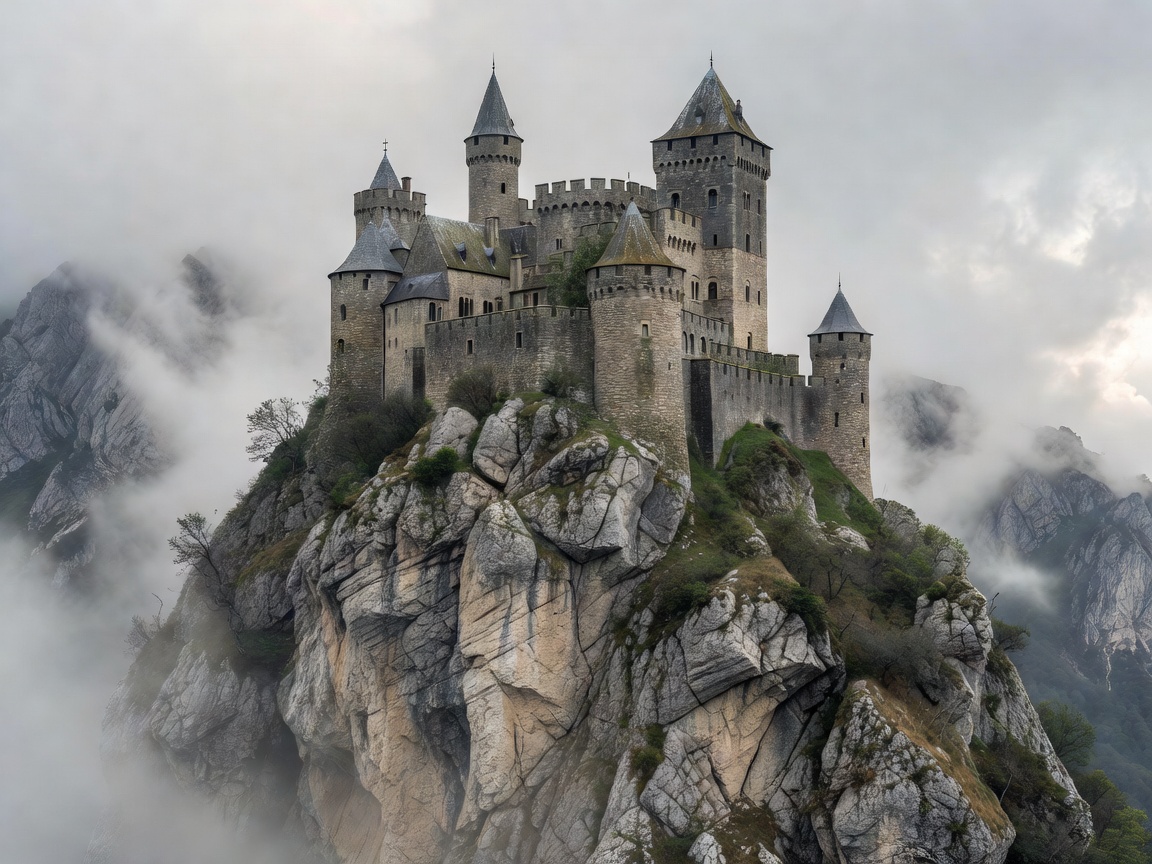
Bran Castle exterior perched high atop a steep limestone cliff with towers
Border Fortress
Bran Gorge
⚲ Bran Pass, Brașov County • Erected 1377 AD

Bran Castle: The Guard of the Rucăr Pass

Authorized by Louis I of Hungary and constructed by the Saxon merchants of Kronstadt, Bran served as a strategic toll fortress commanding the primary trade gap between Transylvania and Wallachia. Later transformed by Queen Marie of Romania into a beloved, folkloric royal retreat.

Secret Escape Staircase Queen Marie’s Heart Relic Toll Customs Watch
Inquire for Curated Tour
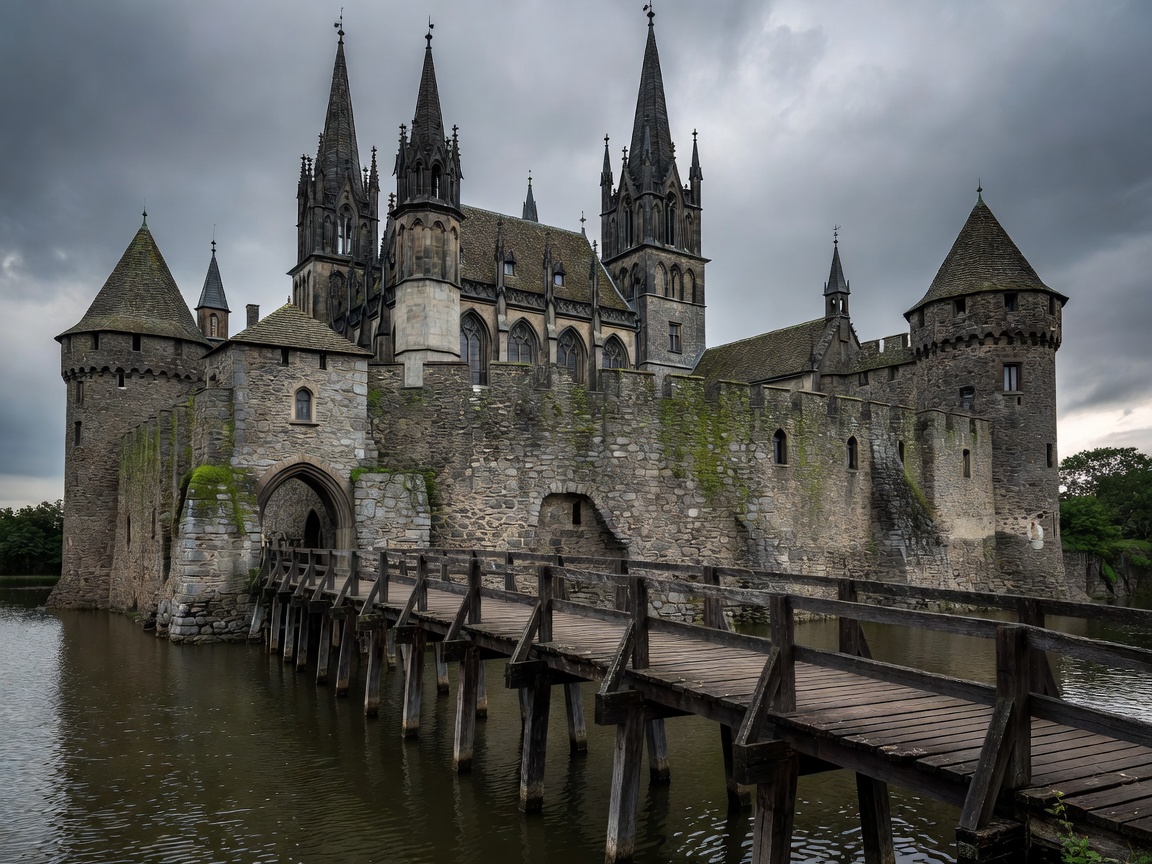
Corvin Castle Hunedoara with wooden pedestrian bridge and Gothic spires
Pure Gothic Grandeur
Hunedoara
⚲ Hunedoara, Transylvania • Built 1446 by John Hunyadi

Corvin Castle: John Hunyadi’s Impregnable Bastion

Widely regarded as one of the largest and most authentic Gothic fortifications in Europe. Accessed over a dizzying timber bridge spanning the Zlaști River gorge, it features the monumental Knights’ Hall (Sala Cavalerilor), the Diet Hall, and defensive circular towers named Capistrano and Neboisa ("Fear Not").

Knight’s Great Hall Capistrano Tower 30m Drawbridge
Inquire for Access
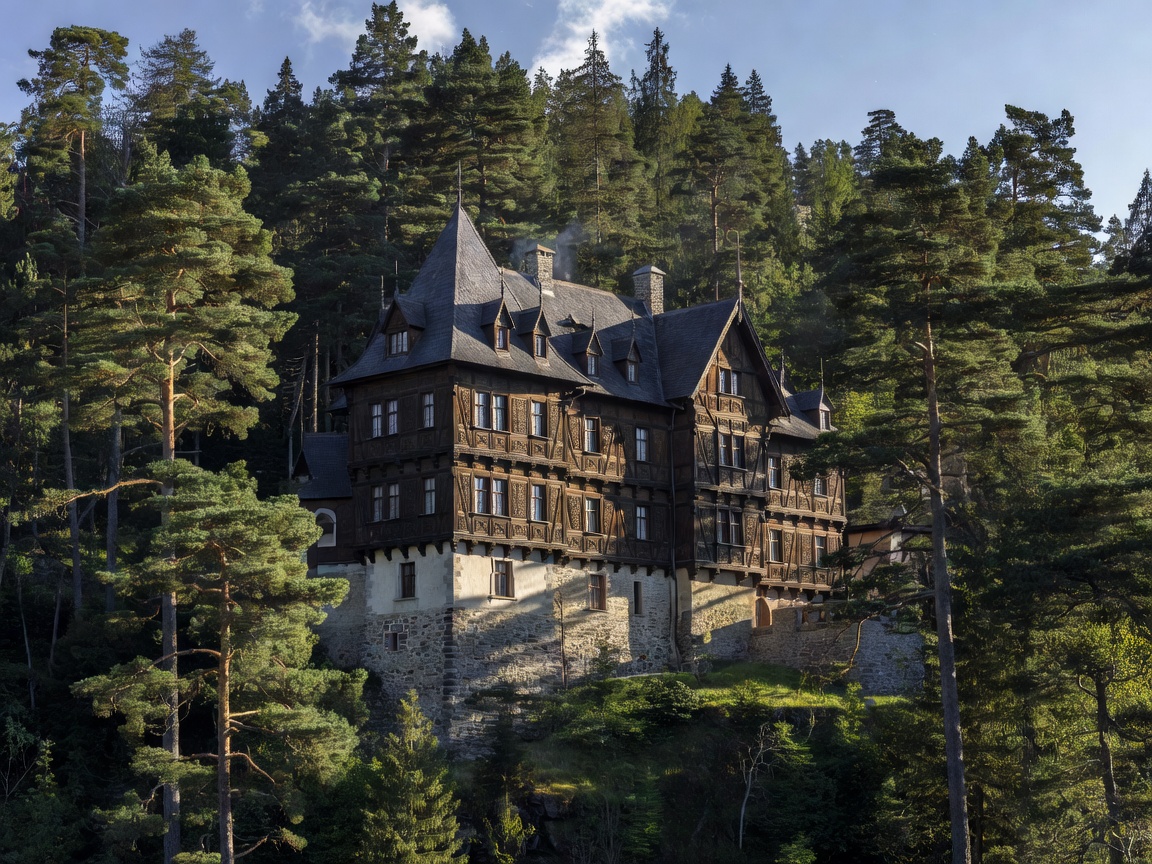
Peleș Castle in Sinaia set against alpine pine trees with timbered facade
Neo-Renaissance Splendor
Sinaia
⚲ Bucegi Mountains, Prahova Valley • Inaugurated 1883

Peleș Castle: The Crown of King Carol I

Nestled in the lush alpine forest below the Bucegi peaks, Peleș was Europe’s first fully electrically powered castle. It showcases 160 lavishly decorated rooms featuring German Renaissance timbering, hand-painted Swiss glass, intricate walnut carvings, and over 4,000 historical weapons.

Armoury of 4,000 Blades Murano Crystal Chandeliers Imperial Suite
Plan Royal Visit
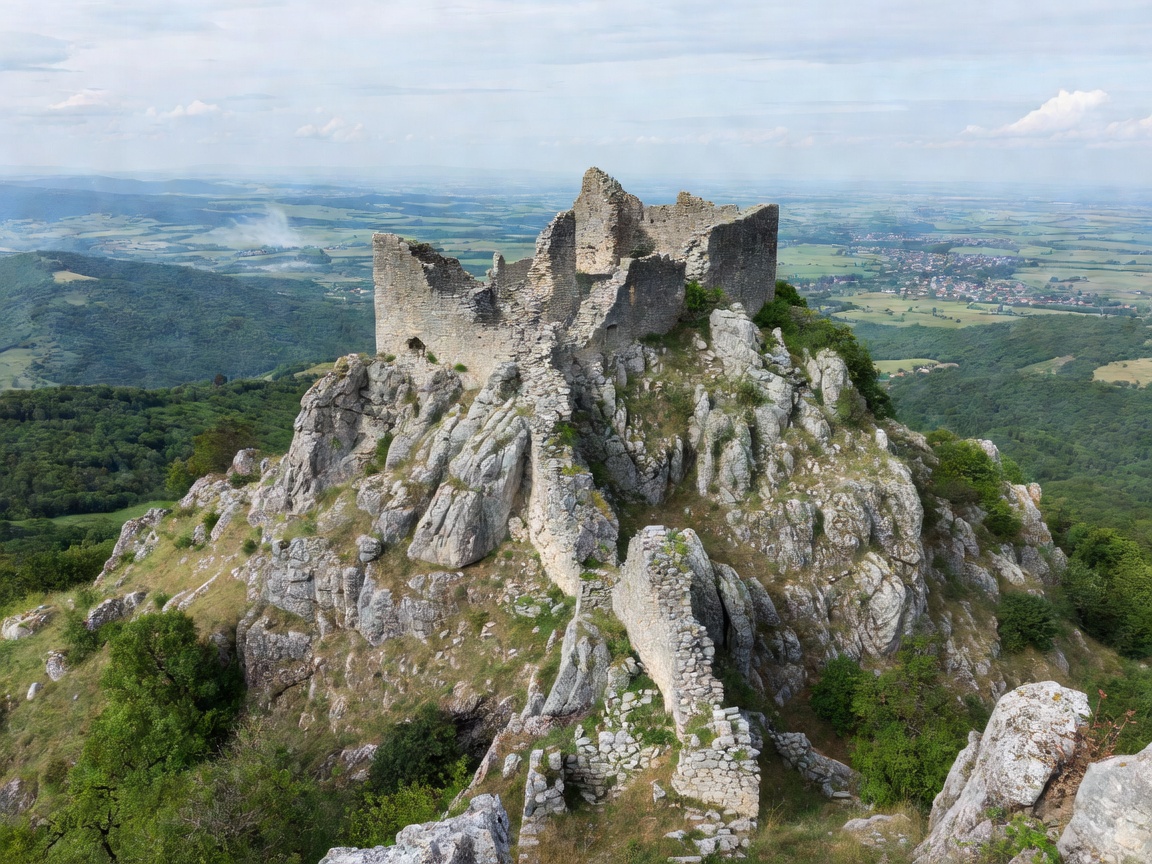
Ruins of Râșnov fortress on a high rocky hill overlooking the Brașov basin
Refuge Citadel
Râșnov
⚲ Postăvaru Massif • 13th-Century Saxon Refuge

Râșnov Fortress: Peasant Citadel of Survival

Unlike aristocratic castles, Râșnov was constructed by ordinary Saxon peasants and townsfolk to withstand decades of Tatar and Ottoman sieges. It incorporates schoolhouses, stone houses, and a famous 143-meter deep well excavated directly through solid limestone.

143-Meter Deep Stone Well 360° Carpathian Vista Inner Village Quarters
Explore Râșnov
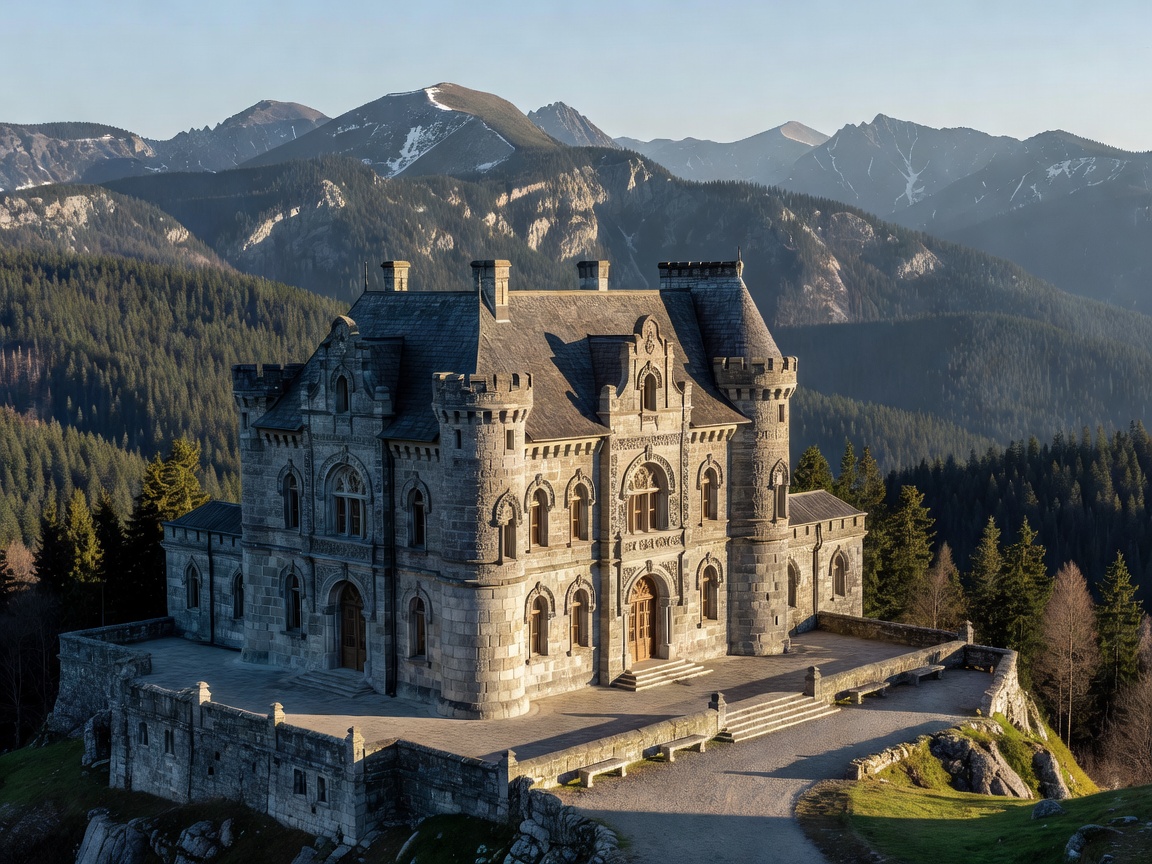
Neo-Romanian stone estate of Cantacuzino Castle overlooking Carpathian peaks
Neo-Romanian Aristocracy
Bușteni
⚲ Zamora Peak, Bușteni • Completed 1911

Cantacuzino Castle: Prince Gheorghe’s Estate

Commissioned by Prince Gheorghe Grigore Cantacuzino, one of the wealthiest landowners in Romanian history (known as "The Nabob"), this Neo-Romanian stone palace combines Byzantine arches, carved Carrara marble, and stained-glass heraldry facing the Caraiman Cross.

Heraldic Ballroom Caraiman Vista Terrace Carved Brâncovenesc Loggias
Plan Castle Visit
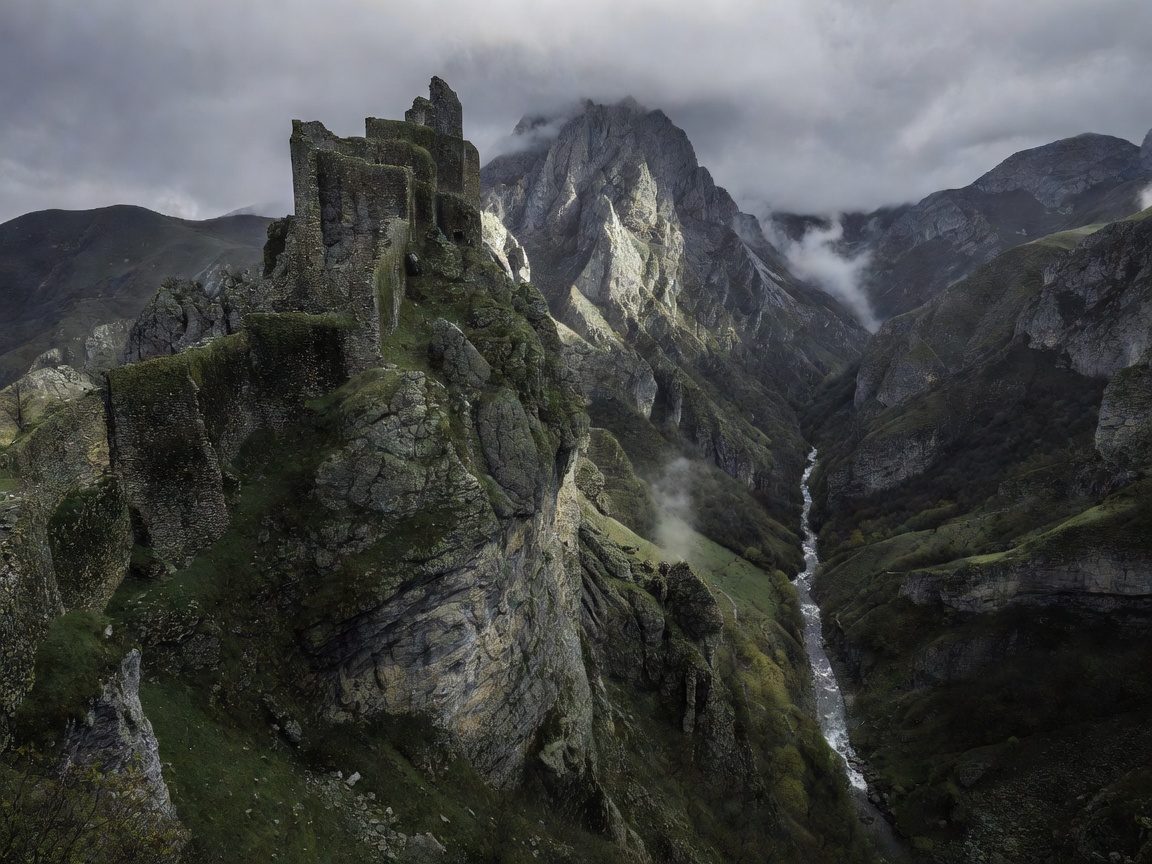
Dramatic mountain cliffs where Poenari Fortress sits high above the Argeș river gorge
Eagles Nest
Arefu / Transfăgărășan
⚲ Argeș Gorges • 1,480 Concrete Steps

Poenari Fortress: Vlad the Impaler’s True Keep

Perched high above the dizzying Argeș canyon, Poenari was Vlad III Dracula's true operational stronghold. Rebuilt with enforced boyar labor in the 15th century, the jagged stone eyrie defended the wild southern approach to the Transylvanian plateau.

1,480 Forest Steps Argeș River Chasm Authentic Dracula History
Inquire for Keep Trek

Seven Centuries of Military & Royal Architecture

1211 – 1225

Teutonic Knights in the Burzenland

King Andrew II of Hungary settles Teutonic Knights around Brașov to fortify the southern border against Cumans, introducing stone keeps and initial fortifications.

1377 – 1382

The Royal Charter of Bran Castle

Louis I of Anjou issues the royal diploma empowering the burghers of Kronstadt to build Bran at their own cost in exchange for lasting trade privileges.

1446 – 1480

John Hunyadi’s Expansion of Corvin Castle

The Voivode of Transylvania transforms an older fortress into Europe's preeminent Gothic defense complex, featuring defensive battlements and knights' ceremonial halls.

1873 – 1914

King Carol I Establishes Peleș Castle

Architects Johannes Schultz and Karel Liman blend German Renaissance aesthetics with alpine elegance, inaugurating the summer seat of the Romanian Royal Family.